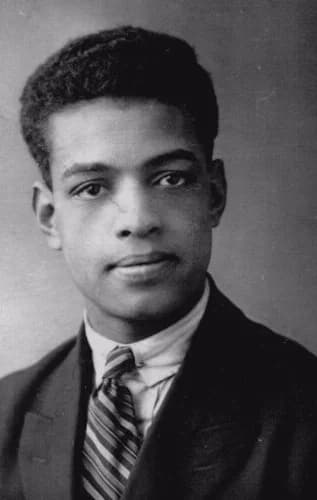
Clayton, Manchester
Len Johnson
The greatest middleweight of his generation — and the man British boxing refused to crown.
Who Len Was
Len Johnson Campaign C.I.C (Community Interest Company) are working with Len’s family and our community partners, including the charity Odd Arts, to honour Len’s life and legacy as a true uncrowned champion.
Len Johnson (1902-1974) was an outstanding Mancunian boxer, the best of his generation, who won 95 fights, beating the very best in the world at the time. However, because of an official ‘colour bar’ in British boxing at the time, Len was denied the opportunity to fight for a British Boxing Title because both his parents weren’t white.
Len did not give up. He became a community champion, an activist who helped organise the Pan-African Congress in Manchester, resisted the informal colour bars in pubs, hotels and employment, campaigned for better housing, and brought different communities together at the New International club that he set up with friends.
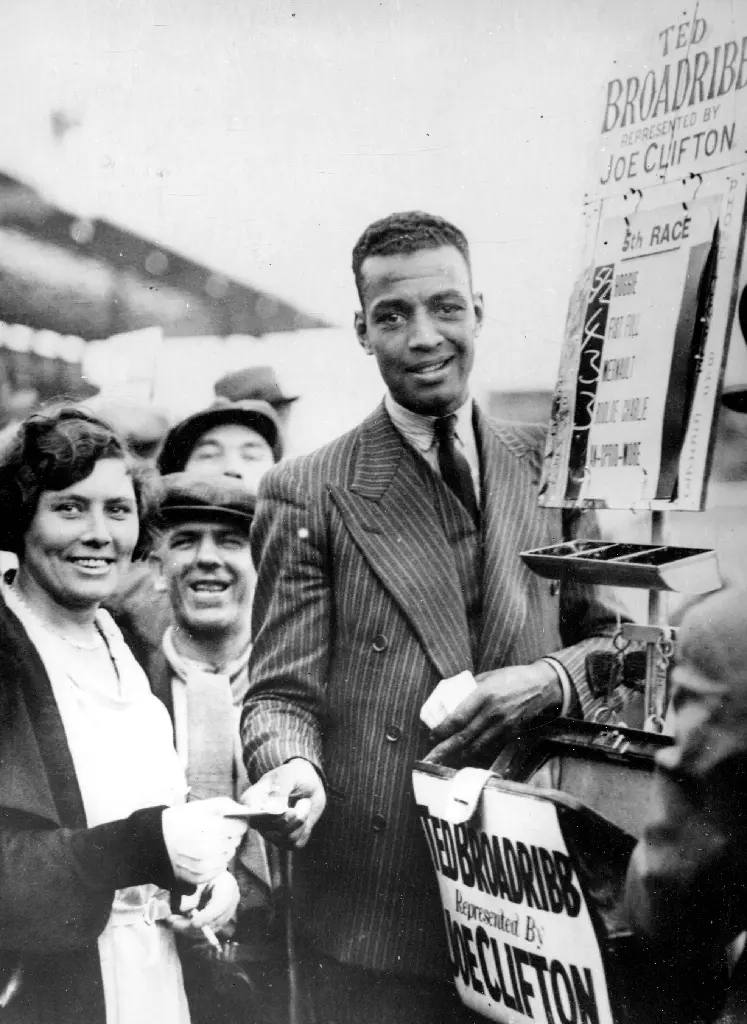
Chapter I. Early Life
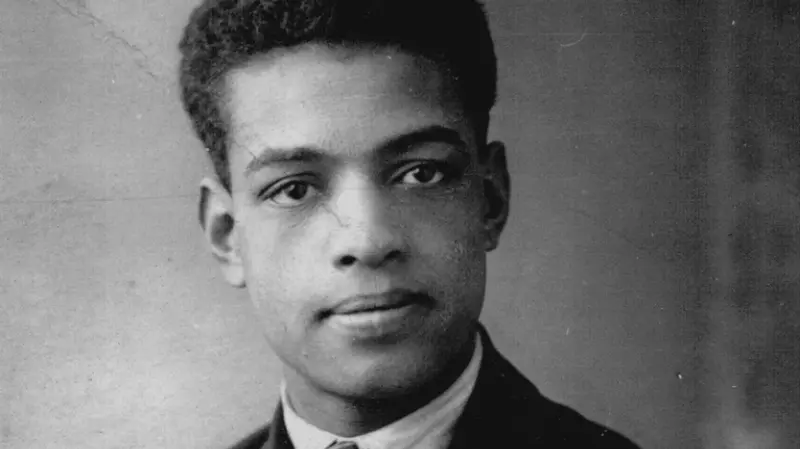
Leonard Benker Johnson was born in Clayton, East Manchester in 1902. His father, William Benker Johnson, had migrated from Sierra Leone as a merchant seaman on the Elder Dempster Line and, like a small but growing number of Black seamen, settled in Manchester.
William entered the boxing booth life. He met and married Margaret Maher, a Mancunian, ‘Irish and proud of it’ as her son recalled. Margaret worked as a pinafore machinist. The interracial marriage meant the family experienced significant racism. Margaret was attacked in the street because she married a Black man, suffering permanent facial disfigurement. She was disowned by her own family, but the couple found lodgings with the Connell family, a bricklayer, Sal and his wife, and, as Len wrote, ‘They became Mother’s self-appointed parents and later my grandparents.’ Len was the eldest of four children.
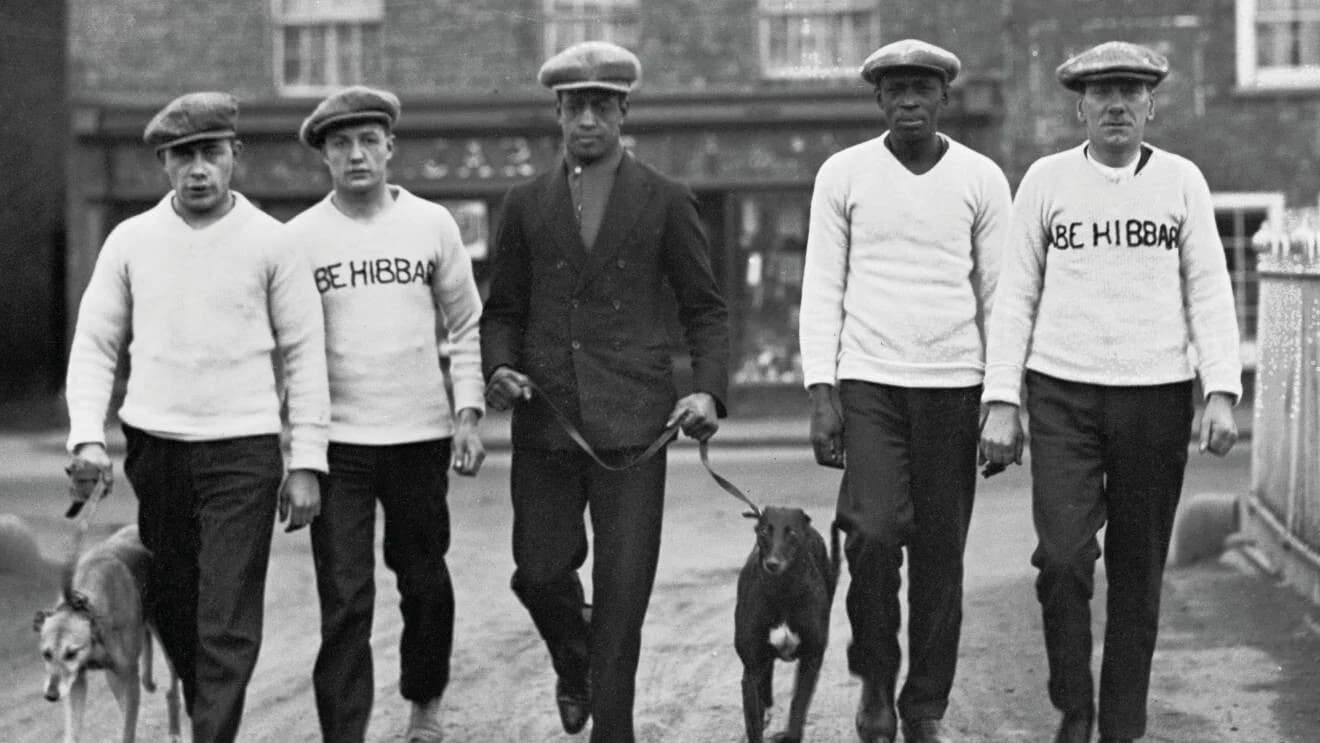
Chapter II. Boxing career
Growing up Len was trained by his father as a boxer in the boxing booths, travelling around fairgrounds. By 1920 Len was fighting professionally as a middleweight boxer. You can read all about Len’s boxing record here: BoxRec: Len Johnson
In the years between the two world wars, Len was regarded as one of the greatest middleweight boxers of his generation. However, due to then Home Secretary Winston Churchill's decision in 1911, the British Boxing Board of Control would not sanction a Johnson to box for the British championship Lonsdale belt, due to Rule 24, which stated that title contestants ‘must have two white parents.’
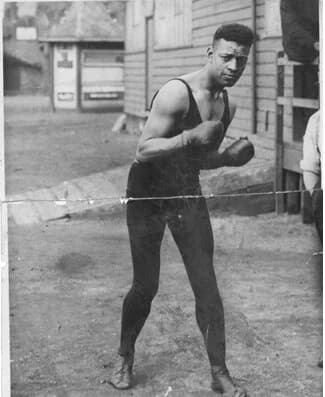
Despite this Len, had an incredible career winning 95 bouts of his 134 bouts. The majority going the distance. This record can be compared with some of the greatest boxers the world has seen. For example, Muhammad Ali won 56 out of his 61 bouts and Manny Pacquiao who won 62 of his 72 bouts.
Len Johnson
95 wins 134 bouts
“Uncrowned”
- Ali
- 56 wins — 61 bouts
- Pacquiao
- 62 wins — 72 bouts
Len beat champions
still no belt
Len defeated champions.
• Harry Collins in Australia for the middleweight championship of the British Empire in 1926
• European and British middleweight champion Roland Todd
• Future middleweight champion Len Harvey in 1927
• In 1928 he thrashed European middleweight champion Leone Jacovacci
• In 1929 he beat European light-heavyweight champion Michele Bonaglia.
In 1928 the national newspapers described Johnson as Britain’s ‘uncrowned champion’. Still, the British Boxing Board of Control would not sanction a championship bout for him.
Chapter III. Boxing's
colour bar
In British boxing the ‘colour bar’ was directly written into the British Boxing Board of Control’s constitution in 1911 following a proposed fight for the heavyweight title between the champion, the Black American Jack Johnson and the British white contender, Bombardier Billy Wells.
Racist ideas justifying Empire were prevalent, and opposition to the fight came most prominently from the Church, with lobbying from the Archbishop of Canterbury. Winston Churchill, as Home Secretary at the time, declared in September 1911 the proposed fight illegal and this decision came to act as a precedent in banning any high-profile fight between white and Black boxers in Britain.
‘So strong was the stand taken by the Home Office that the legality of all boxing was made conditional upon the non-arrangement of inter-coloured contests.’
LORD LONSDALE, PRESIDENT OF THE NATIONAL SPORTING CLUB (OF LONSDALE BELT FAME)
The British boxing ‘colour bar’ was only repealed in 1947.
36
YEARS — THE BRITISH BOXING COLOUR BAR, 1911–1947
Chapter IV. Retirement from Boxing
By 1930 Johnson announced his retirement from the ring. He explained:
‘I am fed up with the whole business. I am barred from the Albert Hall, from the National Sporting club and from all fights where this is big money. The prejudice against colour has prevented me from getting a championship bout, although I consider I am well worthy of one . . . I maintain that if a public vote were taken on the question of whether I should be allowed to take part in a championship bout there would be an overwhelming majority in my favour. I know in my heart that I shall never achieve those ambitions, so I am getting out of the game.’
LEN JOHNSON, THE DAILY DISPATCH, 1930
Chapter V. Pan-African Congress
Manchester
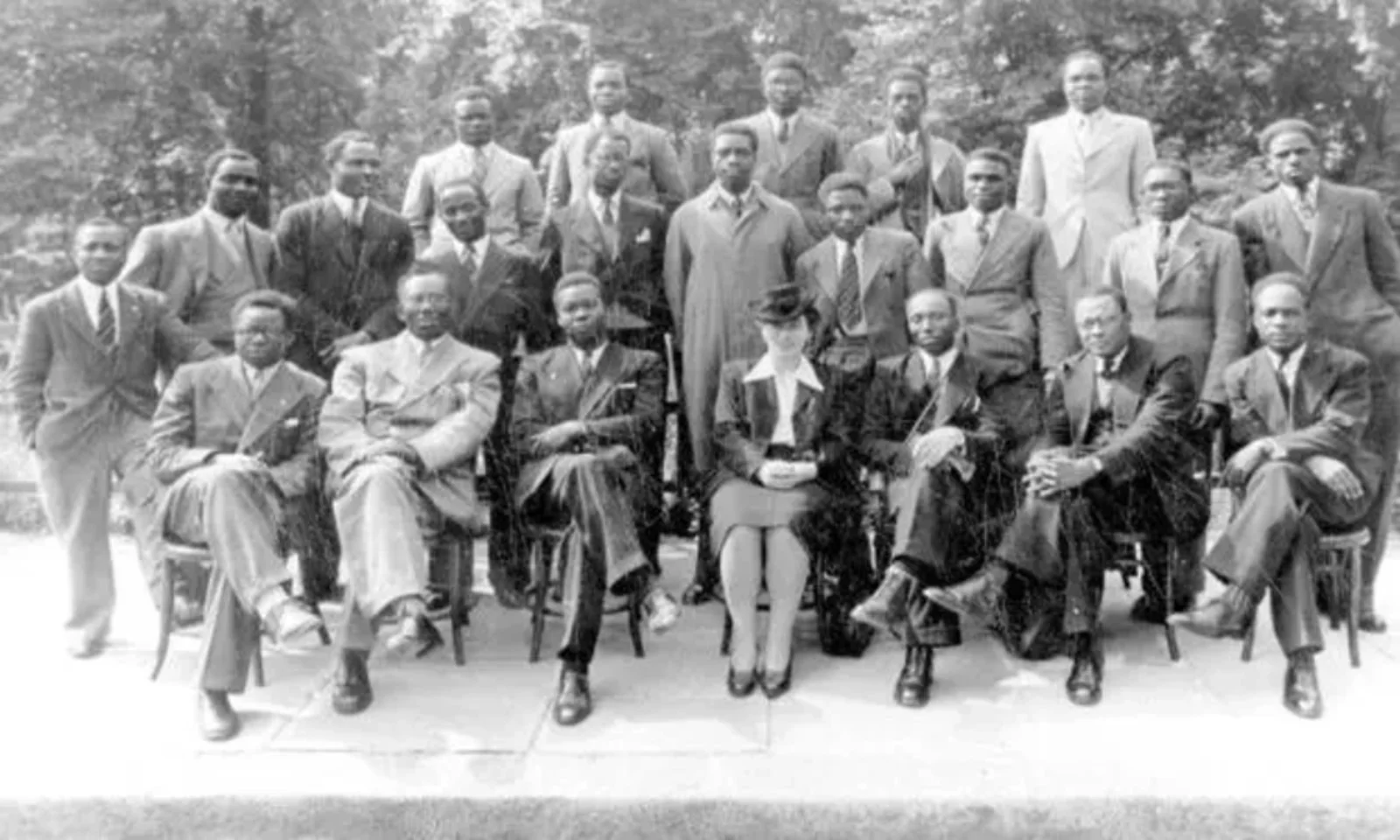
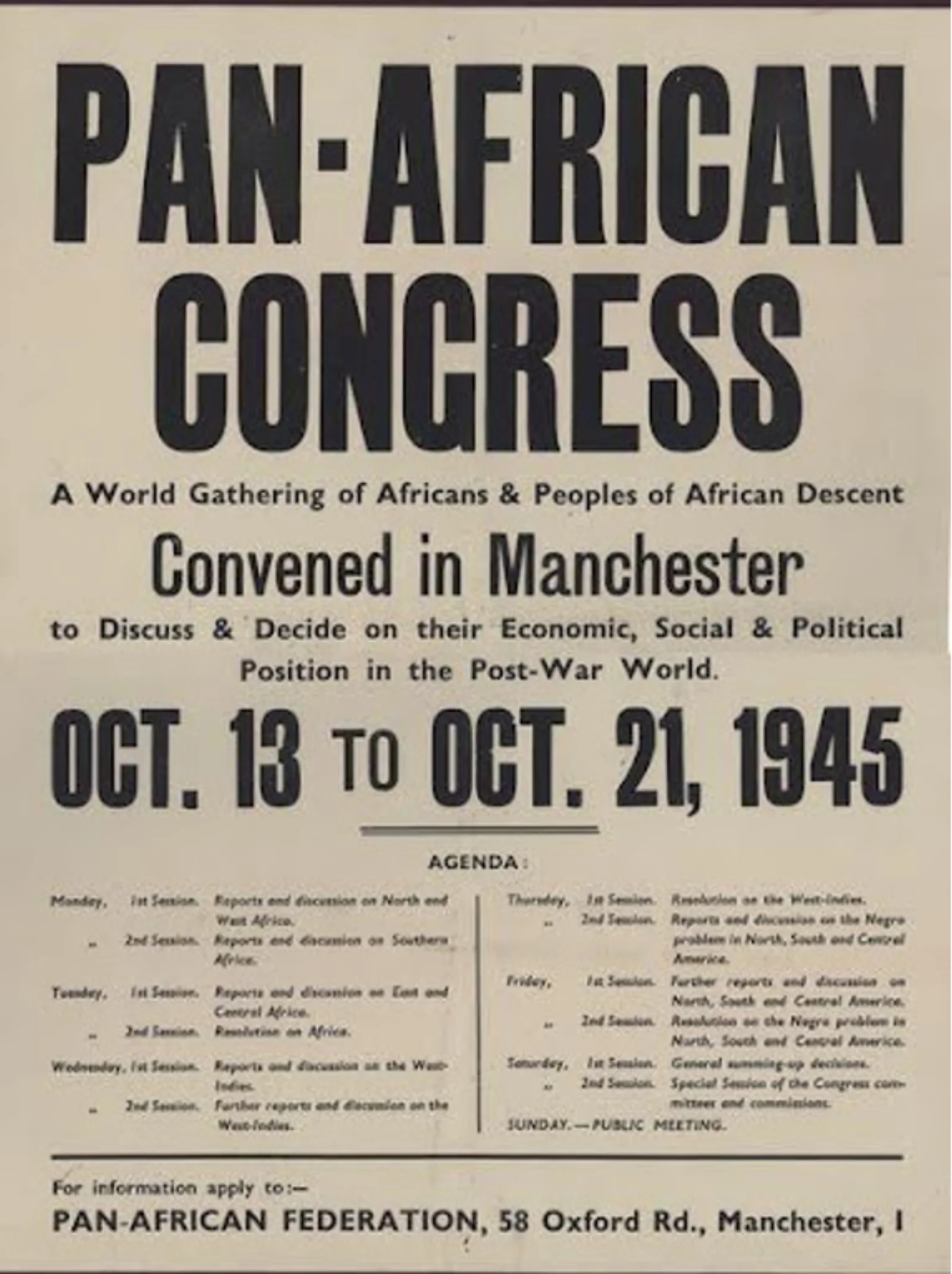
Len’s experiences, and a friendship with American singer, actor and activist, Paul Robeson, politicised Len who wanted to bring the different communities of Manchester together and to fight injustice.
In October 1945 Manchester was decided on as the location for the Fifth Pan-African Congress. Black activism within the city and the connections between cotton, slavery, and Manchester’s radicalism, contributed to this choice. Len Johnson attended. Some people argue this Congress represented a major step towards African independence, with future African Presidents attending.
Chapter VI. New International Society
and Club and community politics
In 1946 Len helped create a new anti-racist space, the New International Society in Moss Side. The Society was initiated by Johnson and two working-class radicals in Manchester: Wilf Charles, a ‘young Moss Side steelworker’ and Syd Booth, a railway worker and ‘a wounded ex International Brigadier.
The society’s aims were described by Johnson as ‘true internationalism, colonial liberation, peace and the ending of race discrimination.’ Moss Side, according to Johnson, ‘with its separate racial groups of Africans, Indians, Irish and English, and the absence of regular interaction’ constituted a breeding ground for fascist propaganda.
New International Society, Moss Side
No photograph in the archive
‘It was on this background we decided that club premises were necessary to provide a place where people of all lands could meet fraternally, thus helping materially to create greater understanding between them.’
The Society’s work included
• organised campaigns in defence of victims of racism, like the Trenton Six in America and against Apartheid in South Africa
• Fundraising and organising support for black children in Manchester
• Campaigning against separate racial lines at the Labour Exchange with a queue for ‘coloured men’ opposed by the Society
• Organising against Manchester Liners Ltd, who intended to rid its liners of all ‘coloured seamen.’ some of whom had served the company through two world war. The work of the New International Society forced vociferous denials of racial discrimination from the company, and a reversal of policy.
Sadly, without adequate financial support, the New International Society and its Club closed at the end of 1950.
Chapter VII. Community activism
Len, however, remained politically active and continued to challenge existing ‘colour bars’ in Manchester. He maintained his engagement with community politics by standing at local elections for the Communist Party. In 1957 he wrote a pamphlet, Fight the Landlords’ Rent Increase, which no doubt would have much relevance today as private rents have increased significantly over the last few years, particularly in Manchester.
Chapter VIII. Breaking the
‘colour bar’
In the post-war years Len spent much of his time challenging unwritten ‘colour bars’ in Manchester. Such actions were part of a vibrant and dynamic politics led by Black activists in 1940s and 1950s Manchester.
For example, in 1953 Len, who was teetotal, was refused a drink by the licensee of the Old Abbey pub on the Greenheys Estate, saying he did not serve ‘coloured’ people. When Len objected, the police were brought in, and on their advice, he left the premises.
The story was not unusual in post-war Britain. What was unusual was the response by Johnson and his friends in returning to the pub with around 200 protestors, both black and white. Four nights later the ‘colour bar’ was officially revoked and Johnson was invited back for a drink. It was not until the introduction of the Race Relations Act in 1965 that the licensee’s actions were made illegal.
For more info read The shameful history of the racist 'colour bar' in Manchester - and how a boxing hero made history by ordering a round in the pub - Manchester Evening News
The Old Abbey Taphouse, Hulme, 1953
No photograph in the archive
200
PROTESTORS RETURNED WITH LEN
4
NIGHTS UNTIL THE BAR WAS REVOKED
12
YEARS AHEAD OF THE RACE RELATIONS ACT
Chapter IX. Inspiring future
activism
Len’s life has proved an inspiration to others throughout the decades since he died.
• The Working Class Movement Library in Salford, holds a collection of archives from Len Johnson’s collection, including a scrapbook of newspaper cuttings which documented his boxing life.
• Two books, both now out of print, were written about Len’s life;
• A play was performed at Bolton Octagon
• Later the early beginnings of our campaign, a petition was launched in 2020 calling for a new statue to celebrate Len’s life in Manchester
• In 2021 Moss Side Fire Station Boxing Club awarded their first Len Johnson Community Cup.
• The Old Abbey pub commissioned a mural to remember Johnson’s legacy and the breaking of the ‘colour bar’ there.
• In 2021 a regular music night, ‘Breaking Barz’, was launched which celebrates Len Johnson’s resistance and promotes local artists.
• An annual ‘drink for Len’ is organised every October at the Old Abbey Taphouse.
Len Johnson has been rediscovered in Manchester and beyond.